
Every year, on the last Monday of May, we pause.
We fire up grills and set out lawn chairs. We drive to lakes and gather in backyards. We say “Happy Memorial Day” to each other in ways that would have confused the people who created it, because there is nothing particularly happy about what the day was designed to hold. We are celebrating the beginning of summer. The holiday is asking us to do something harder.
I spent over two decades working alongside people for whom the weight of Memorial Day was not abstract. Once or twice in my career, I saw firsthand how their military expertise could mean the difference between life and death for the people we were trying to protect. That proximity changes how you think about service. It changes how you think about the people who show up when showing up is the most dangerous thing available to them.
Memorial Day is for those people. Not abstractly. Specifically.
What the Day Actually Asks
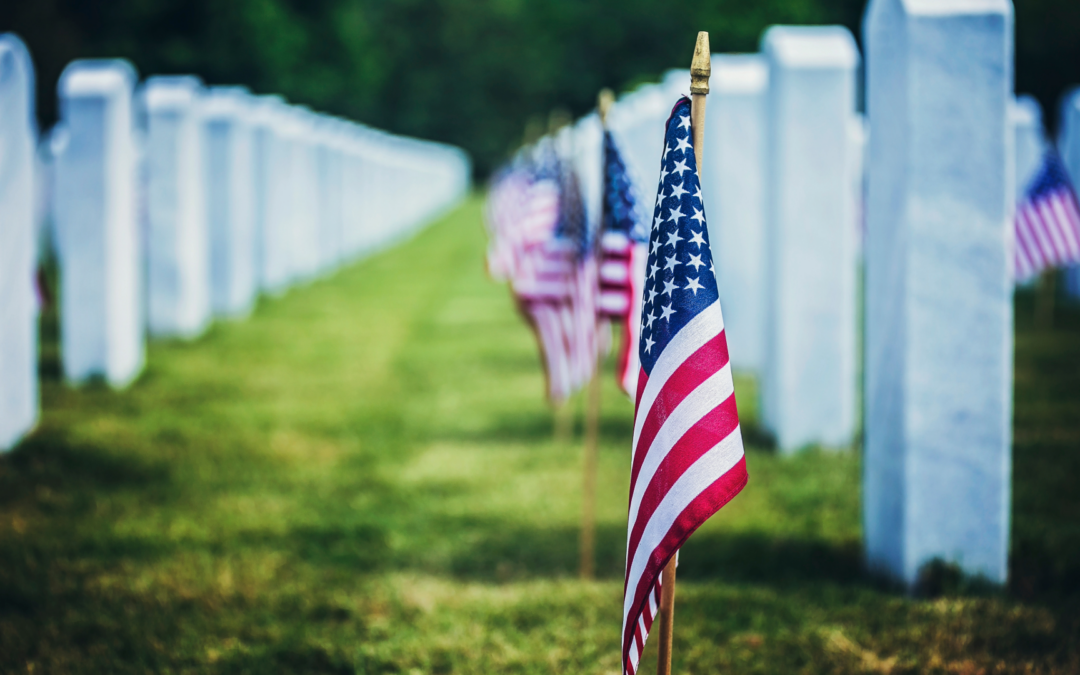
The holiday was established after the Civil War, initially called Decoration Day — a practice of decorating the graves of soldiers killed in what was then the most devastating conflict in American history. It was, from the beginning, an act of specific remembrance. Not general gratitude. Specific grief. The practice of naming the dead, of going to the place where they are buried and acknowledging their particular existence, was the point.
We have drifted from that specificity, which is understandable. Specificity is harder. Specificity requires that you reckon with the fact that the people who died were people, not symbols. They had families waiting. They had plans they didn’t finish. They had opinions about things that had nothing to do with war and everything to do with being human. They were not willing sacrifices. They were people who made a choice, often very young, often under circumstances they couldn’t fully anticipate, and that choice cost them everything.
Defending that level of specific humanness requires courage from the living, too.
The Courage the Living Owe
There are several forms of courage that Memorial Day calls from those of us who remain.
The first is the courage to actually grieve. American culture is not good at this. We are more comfortable with the word “sacrifice” than with the weight of what it means, because sacrifice frames the loss as intentional and therefore acceptable, and grief does not operate that way. Grief is not interested in whether the loss was acceptable. It is interested in the fact that someone is gone. The families of the fallen know this. The surviving veterans who lost people beside them know this. The courage to sit with that, rather than wrap it in ceremony that keeps it at a comfortable distance, is real courage.
The second is the courage to be honest about the conditions that put people in harm’s way. This is uncomfortable, particularly in a political climate that conflates critique of policy with disrespect for those who served. They are not the same thing. In fact, one of the most profound forms of respect for the people who died in service to this country is to take seriously the question of when and why and how we ask people to do so. Honoring service without examining the systems that deploy it is incomplete. It is comfort over courage.
The third is the courage to extend care to the living who are carrying the weight of what they’ve seen. More veterans die by suicide each year than die in combat. The systems designed to support them are chronically underfunded, inconsistently managed, and structurally difficult to navigate — a reality I understand from the inside. The courage to say that clearly, to insist on better, is also an act of Memorial Day.
What Federal Service Taught Me About What We’re Holding
I was not a combat veteran. I want to be clear about that. The weight I carried in federal service was real, but it is not the same weight, and I do not conflate them. What I observed, working alongside people who had served in both contexts, is that the commitment to public service at its core comes from the same place: the belief that what happens to people matters, that the systems designed to protect them should be worthy of that purpose, and that someone has to be willing to stand in the hard place.
That is what we are honoring on Memorial Day. Not just the loss, though the loss is real and specific and deserves to be named. We are honoring the willingness to stand. The willingness to say: this matters enough that I will place myself between it and harm.
That willingness is not confined to military service. But on this particular day, we are holding specifically those who died while in uniform — who made the irreversible choice — and we owe them the specificity of acknowledgment they are due.
How to Hold the Day With Integrity
Go ahead and have the barbecue. Gather the people you love. That gathering is not inappropriate. The life that was protected by their deaths is not something to be apologized for.
But hold both things. Take a moment — a real moment, not a performative pause but an actual reckoning — to name someone. A family member who served. A neighbor’s son or daughter. The veteran in your community whose transition back to civilian life was harder than anyone acknowledged. The name on a wall somewhere that belongs to a real person who is no longer here.
And then ask yourself what the living owe. Not in a guilt-inducing way. In an accountability way. What does it mean to be the one who remains? What are you building with the life that was, in some indirect but real sense, defended?
That is the question Memorial Day is actually asking. The grills and the lawn chairs are fine. The question is what happens after you’ve eaten, when it’s quieter, and the weight of the day has a chance to land.
Courage isn’t only for battlefields. It’s for the living, too — in the shape of honesty, and care, and the refusal to let the deaths of the specific be absorbed into the comfort of the general.
Remember someone specific today.
Recent Comments